Let’s dive into finding website design near you in the UK. The short answer is, it’s probably easier than you think, and ‘near me’ can mean different things these days. While having a local designer you can pop in and see is lovely, many excellent UK designers and agencies work remotely, offering fantastic services regardless of their physical location relative to yours. It really boils down to what you’re looking for: hands-on, local support, or a broader talent pool.
When you’re searching for website design, “near me” isn’t just about geographical distance anymore. It encompasses a spectrum of scenarios, each with its own advantages.
The True Local Experience
For some businesses, having someone you can meet for a coffee, review concepts over their shoulder, or even have visit your premises is invaluable. This is the traditional definition of “near me.”
Benefits of Local Designers/Agencies
- Face-to-Face Meetings: Great for building rapport and discussing complex ideas without miscommunication.
- Local Market Understanding: They might have insights into local consumer behaviour or competitors.
- Physical Presence: Can be reassuring for businesses that prefer tangible interaction.
How to Find Them
- Google Maps Search: Simple but effective. Search “website design [your town/city]” or “web designer near me.”
- Local Business Directories: Check online and offline directories specific to your area.
- Networking Events: Chamber of Commerce meetings, local business expos, and networking groups are excellent for referrals.
- Referrals: Ask other local businesses who they used and if they were happy.
The Remote UK Specialist
This is where the “near me” expands. Many fantastic designers and agencies operate entirely remotely, serving clients across the entire UK. They might be in Manchester while you’re in Bristol, but the quality of service remains high.
Advantages of Remote UK Talent
- Wider Talent Pool: You’re not restricted to the designers within a 20-mile radius; you can access specialists in every niche.
- Potentially More Competitive Pricing: Remote agencies often have lower overheads than city-centre firms, which can sometimes translate to better value.
- Greater Specialisation: If you need an e-commerce expert or someone versed in a particular industry, a remote search increases your chances.
How to Vet Remote Options
- Strong Portfolio: This is non-negotiable. Look for relevant work.
- Clear Communication: Are they responsive? Do they explain things well? Video calls are key here.
- Transparent Processes: Do they outline their workflow, timelines, and payment structure clearly?
- Testimonials/Reviews: What do other clients say about working with them remotely?
When exploring website design near you, it’s essential to familiarise yourself with the terminology and concepts that underpin the field. A helpful resource is the article titled “Web Design Vocabulary: A Comprehensive Guide to Key Terms and Concepts,” which provides an in-depth look at the language of web design. You can read it by following this link: Web Design Vocabulary: A Comprehensive Guide to Key Terms and Concepts. This guide will enhance your understanding and help you communicate more effectively with designers and developers in your area.
Defining What You Actually Need
Before you even start searching, whether locally or widely, it’s crucial to pin down what kind of website you’re after. This will massively influence who you should be looking for.
What Kind of Website?
- Brochure Website: A few pages, mainly informational, showcasing your services or products without direct sales.
- E-commerce Website: An online shop where customers can browse, add to cart, and purchase products.
- Portfolio Website: For creatives, artists, or freelancers to display their work.
- Blog/Content Platform: Focused on publishing articles and engaging an audience.
- Specific Functionality: Do you need booking systems, membership areas, forums, or bespoke tools?
Your Budget and Timeline
Be realistic here. A fully custom, complex e-commerce site will cost significantly more and take longer than a simple brochure site built on a template.
Budget Considerations
- Initial Build Cost: The main cost of getting the website designed and developed.
- Ongoing Costs: Hosting, domain name registration, potential plugin subscriptions, maintenance, and future updates.
- Marketing Budget: Don’t forget how people will find your site once it’s live!
Timeline Expectations
- Simple Site: A few weeks to a couple of months.
- E-commerce/Complex Site: Several months, potentially longer, depending on features.
- Be clear with your designer: If you have a hard deadline, communicate it upfront.
Future Growth
Think ahead. Will your website need to expand? Will you be adding new products, services, or content regularly? A good design should be scalable.
The Search Methodology: Where to Look
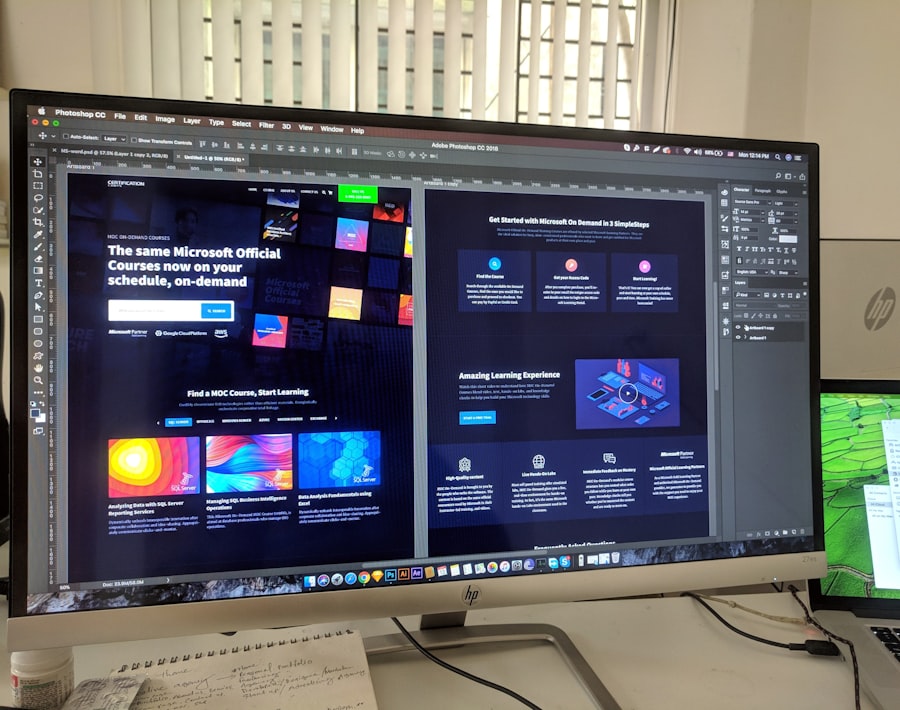
Alright, so you know what you need. Now, where do you actually find these people?
Online Search Engines (Google, Bing)
This is the obvious starting point. Be specific with your search terms.
Effective Search Terms
- “website designer [your town/city]”
- “web design agency UK”
- “e-commerce web development [your industry] UK”
- “WordPress developer [nearby county]”
- “small business website design UK”
Referral Networks
Word-of-mouth is still incredibly powerful.
Asking Around
- Other Business Owners: Ask businesses whose websites you admire who they used.
- Industry Peers: If you’re in a specific niche, ask others in that field.
- Professional Networks: LinkedIn, local business groups, etc.
Using Platforms
- Thumbtack / Bark: These platforms allow you to post your project, and designers/agencies will bid on it.
- Clutch / Agency List: Directories that list and review agencies, often with detailed case studies.
- LinkedIn ProFinder: Post a job, and vetted professionals can apply.
Social Media & Industry Forums
Don’t underestimate the power of these platforms.
Finding Designers on Socials
- Instagram/Behance: Visual platforms where designers showcase their portfolios. Look for #webdesignuk #smallbusinesswebsite and similar hashtags.
- LinkedIn: Search for “web designer” or “web developer” and filter by location.
- Facebook Groups: Many local business groups or UK-wide web design groups exist where you can ask for recommendations.
Industry-Specific Resources
- Web Design Blogs/Magazines: Often feature lists of top agencies or individual designers.
- Developer Communities: While more technical, these can sometimes lead you to talented individuals looking for freelance work.
What to Look For and What to Ask
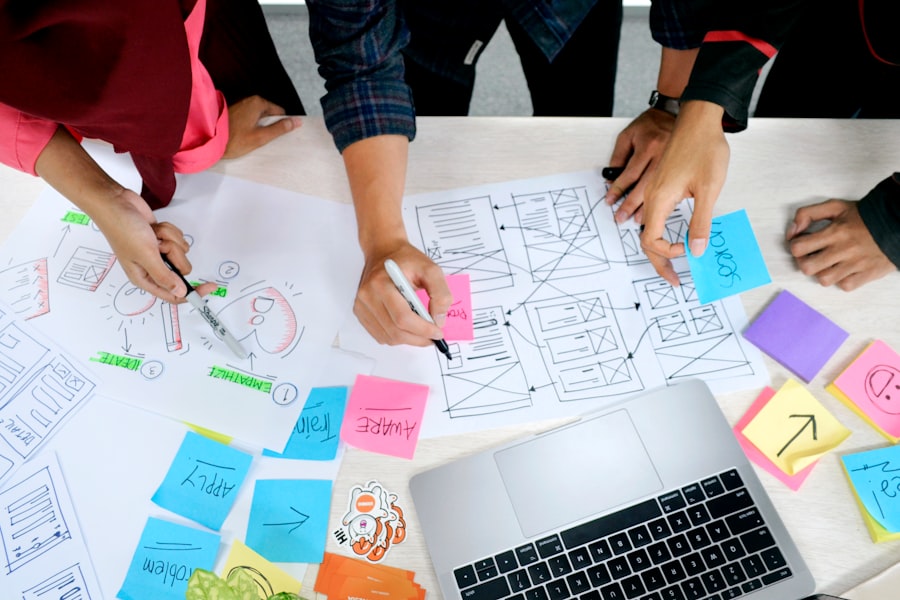
You’ve got a shortlist. Now it’s time to dig a little deeper. This is where good choices are made.
The Portfolio is Paramount
This is almost like their CV. It’s the best indicator of their style and capability.
Portfolio Checklist
- Relevance: Do they have experience in your industry or with the type of website you need?
- Aesthetics: Do you like their design style? Is it modern, clean, and functional?
- Functionality: If possible, click through their previous work. Does everything work as expected?
- Results: Do they mention any results their designs achieved for clients (e.g., increased conversions, better traffic)?
Communication and Process
A good designer will have a clear, transparent process and be excellent at communicating.
Key Questions to Ask
- What’s your typical process from start to finish? (Discovery, design, development, launch, post-launch support).
- How do you handle revisions and feedback?
- What software/platforms do you typically use (e.g., WordPress, Shopify, custom code)?
- Who will be my main point of contact?
- How often will we communicate, and through what channels?
Pricing and Contracts
Always get everything in writing. Understand what’s included and what’s not.
Understanding Quotes
- Itemised Breakdown: Does the quote clearly show what each phase or feature costs?
- Hourly vs. Project-Based: Understand their billing model.
- What’s Included: Design, development, content population, launch, basic SEO setup, training on how to update the site?
- **What’s Not Included:** Hosting, domain, ongoing maintenance, advanced SEO, copywriting, stock photography?
- Payment Schedule: When are payments due (e.g., deposit, upon milestones, final payment)?
Contractual Essentials
- Scope of Work: A detailed list of everything they will deliver.
- Deliverables: What exactly will you receive at each stage?
- Timeline: Agreed-upon deadlines for each phase.
- Ownership: Who owns the code and design files once the project is complete? (It should be you!)
- Support & Maintenance: What happens post-launch? Is there a warranty period for bugs?
Technical Expertise and SEO Understanding
A beautiful site that no one can find isn’t much use.
Technical Prowess
- Mobile Responsiveness: Is every design fully responsive across all devices? (This is a must!)
- Page Speed Optimisation: Do they consider how fast the site will load?
- Security: What measures do they take to ensure the site is secure?
SEO Basics
- Basic On-Page SEO: Do they include title tags, meta descriptions, image alt text, and good URL structures?
- Google Analytics/Search Console: Will they set these up for you?
- Content Strategy Guidance: While they might not be copywriters, do they advise on content structure for SEO?
When considering website design near you, it’s essential to stay informed about the latest trends and best practices in the industry. A particularly insightful article that delves into these topics can be found at this link, where you can explore various strategies to enhance your online presence. By keeping up with such resources, you can ensure that your website not only looks appealing but also functions effectively to meet the needs of your audience.
After the Launch: Ongoing Support and Maintenance
| Website Design Near Me Metrics | Statistics |
|---|---|
| Number of website design companies near me | 15 |
| Average cost of website design services | £1000 |
| Customer satisfaction rating | 4.5/5 |
| Response time for inquiries | 24 hours |
A website isn’t a “set it and forget it” kind of thing. It needs looking after.
Maintenance Packages
Many designers and agencies offer ongoing maintenance. This is often a smart investment.
What to Expect in Maintenance
- Software Updates: Keeping WordPress, plugins, themes, and other technologies up-to-date for security and performance.
- Backups: Regular backups of your site data.
- Security Monitoring: Protecting against malware and hacking attempts.
- Minor Edits: Sometimes a few hours of small content changes or fixes.
Training and Handover
You should feel confident managing your site for basic tasks.
Post-Launch Training
- CMS Training: How to add new pages, blog posts, products, or update text/images.
- Analytics Overview: How to check your website traffic.
- Basic Troubleshooting: What to do if something goes wrong.
Why Ongoing Support Matters
- Security: Outdated software is a hacker’s playground.
- Performance: Regular optimisation keeps your site fast.
- SEO: Google prefers well-maintained, up-to-date sites.
- Peace of Mind: Knowing someone’s got your back if a problem arises.
Finding the right website design services near you in the UK, whether that’s locally or through a remote specialist, comes down to clear communication, a well-defined project scope, and thorough vetting. Don’t rush the process, and focus on finding a partner who truly understands your business goals. Good luck!