So, you’re looking to get a website built, and you’re wondering about finding a website designer near you here in the UK. It’s a smart move to keep things local, or at least within your region, if possible. Why? Well, it often makes communication a breeze, and you can sometimes pop in for a chat if needed, which can be incredibly helpful.
The short answer is, there are plenty of fantastic website designers and agencies right here across the UK. From bustling cities like London and Manchester to charming towns and rural areas, you’re spoiled for choice. The trick isn’t just finding any designer, but finding the right one for your specific needs and budget.
Let’s dive into how you can go about it, what to look for, and some things to keep in mind.
Deciding whether to go local or not is a common first step. While the internet has shrunk the world, there are still some pragmatic reasons to favour a designer based in the UK, and potentially closer to home.
The Benefits of Local Expertise
When you work with a designer who understands the UK market, they might have a better grasp of your target audience’s nuances, local business trends, and even UK-specific legal requirements for websites (like GDPR. We’ll get to that later). Plus, time zone differences become a non-issue, making real-time conversations and quick feedback loops much simpler.
The ‘Near Me’ Dilemma: Physical Proximity vs. Digital Presence
Honestly, with the power of video calls and collaborative online tools, physical proximity isn’t always the deciding factor it once was. A brilliant designer in Edinburgh might be a better fit for your project than a mediocre one down the road. However, if you’re the type who thrives on face-to-face meetings, or if your business is highly localised and you want that palpable connection, then searching for designers in your specific city or county makes a lot of sense.
Understanding Your Local Landscape
If your business serves a specific geographic area, having a designer who understands that local landscape can be a real plus. They might already know the typical competition, the local vernacular, or the specific needs of consumers in your area. This isn’t always crucial, but it can add a valuable layer of insight.
If you’re searching for a website designer near you, it might be beneficial to explore additional resources that can enhance your understanding of web development. A particularly insightful article is titled “Mastering the Art of Web Development: Tips and Tricks for Success,” which provides valuable guidance for both beginners and seasoned professionals alike. You can read this article to gain further insights into effective web design practices by following this link: Mastering the Art of Web Development.
Where to Start Your Search for UK Website Designers
Okay, so you’re convinced that a UK designer is the way to go. Now, where do you actually begin looking? There are a few reliable avenues.
Online Search Engines: Your First Port of Call
This might sound obvious, but a well-crafted search query is your best friend. Instead of just typing “website designer,” try being more specific.
Specific Search Terms to Use
- “Website designer [Your City/County/Region] UK” (e.g., “website designer Manchester UK”)
- “Web design agency [Your City] small business”
- “Freelance web designer [Your Industry] UK” (e.g., “freelance web designer e-commerce UK”)
- “Affordable website design [Your Town]”
Refining Your Searches
Don’t be afraid to tweak your search terms. If you’re getting too many results, add more specific keywords related to your project (e.g., “WordPress website designer,” “Shopify expert,” “SME website developer”). If you’re not finding enough, broaden your search area slightly.
Local Business Directories and Communities
Many towns and cities have their own online business directories, or specific communities and forums for local businesses. These can be goldmines for finding designers who are actively working within your locale.
Online Chambers of Commerce
Check your local Chamber of Commerce website. They often have member directories that list various service providers, including web designers.
Local Business Networking Groups Online
Platforms like LinkedIn often have groups dedicated to businesses in specific regions. You might find designers participating in discussions or even posting about their services.
Word of Mouth and Referrals
This is still one of the most trusted methods. If you know other business owners in your area, ask them who they used for their website and what their experience was like.
Asking Your Network
Reach out to colleagues, friends, or other professionals you trust. A personal recommendation can save you a lot of time and potential hassle.
Online Review Platforms
While not strictly ‘word of mouth,’ platforms like Google Reviews, Trustpilot, and even industry-specific review sites can give you a good sense of what past clients thought. Look for consistent positive feedback and how the designer responds to any negative comments.
What to Look For in a UK Website Designer
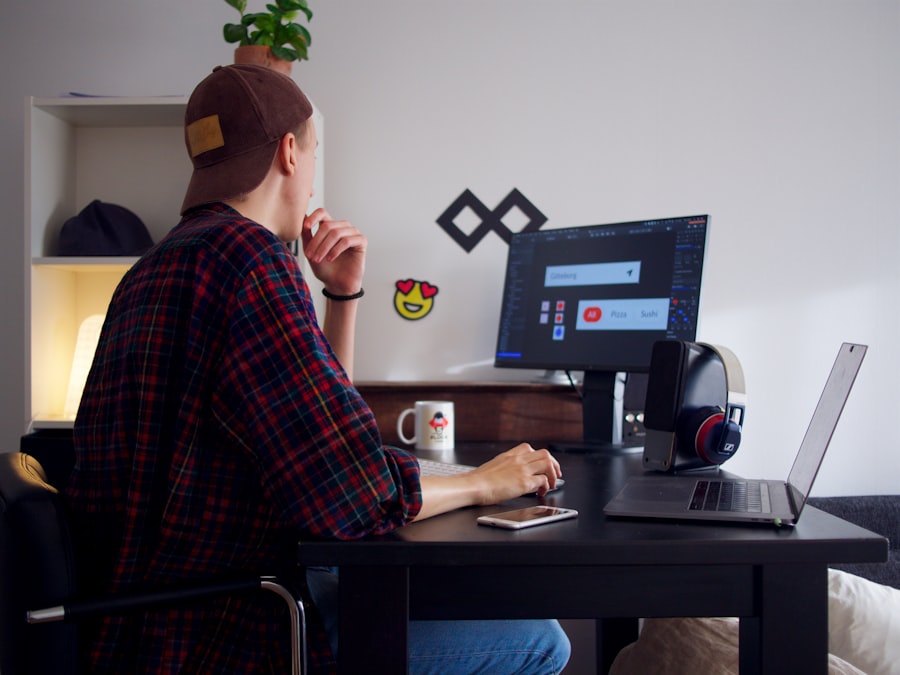
Once you’ve got a shortlist, it’s time to figure out who’s actually the best fit. This involves looking beyond just their portfolio.
Their Portfolio: Evidence of Skill
This is where you see their past work. It’s a direct insight into their style, capabilities, and the types of projects they’ve handled.
Quality of Design
Does their work look professional, modern, and engaging? Does it align with your brand aesthetics, or at least show versatility?
Range of Projects
Have they worked on projects similar to yours? If you need an e-commerce site, look for examples of online stores. If you need a brochure site, look for those.
User Experience (UX) Focus
Go beyond just how pretty the sites look. Click around. Are they easy to navigate? Is the information clearly presented? This is a crucial aspect of a designer’s skill.
Their Experience and Specialisations
Not all designers are created equal, and some have developed particular strengths.
Years in Business
While not a definitive measure of quality, a designer who has been operating for several years often indicates stability and a proven track record.
Specialised Services
Are they a generalist, or do they specialise in something specific? For example, some might be experts in WordPress, others in Shopify, or they might focus on UX/UI design. If they have a strong specialisation that matches your needs, that’s a big plus.
Industry Experience
Have they worked with businesses in your specific sector before? This isn’t essential, but it can mean they already understand your market and your challenges.
Communication and Collaboration Style
You’ll be spending a lot of time with your designer, so a good working relationship is paramount.
Responsiveness
How quickly do they get back to you during the initial inquiry phase? This is often a good indicator of how responsive they’ll be once the project starts.
Clarity of Communication
Do they explain technical things in a way you can understand? Are they upfront about costs, timelines, and their process?
Listening Skills
Do they ask questions about your business, your goals, and your vision? A good designer doesn’t just impose their ideas; they collaborate to bring yours to life.
Understanding Your Project Scope and Your Budget
Be realistic about what you can afford and what you need.
Budget Alignment
Reputable designers will be upfront about their pricing. Make sure their rates fall within your budget, or be prepared to discuss a phased approach.
Scope of Work Discussion
A good designer will want to understand the full scope of your project before quoting. This includes features, functionality, content needs, and ongoing maintenance.
The Website Design Process: What to Expect from a UK Designer
Knowing what to expect can make the process smoother and help you identify if a designer is on the right track.
Initial Consultation and Briefing
This is where you and the designer get to know each other and the project’s requirements.
Understanding Your Business Goals
A good designer will want to understand why you need a website. What are you trying to achieve? Is it to generate leads, sell products, provide information, or build your brand?
Target Audience Identification
Who are you trying to reach with your website? Understanding your audience helps shape the design and content.
Competitor Analysis
The designer might also look at your competitors’ websites to identify opportunities and threats.
Design and Development Stages
This is where the magic happens, with distinct phases.
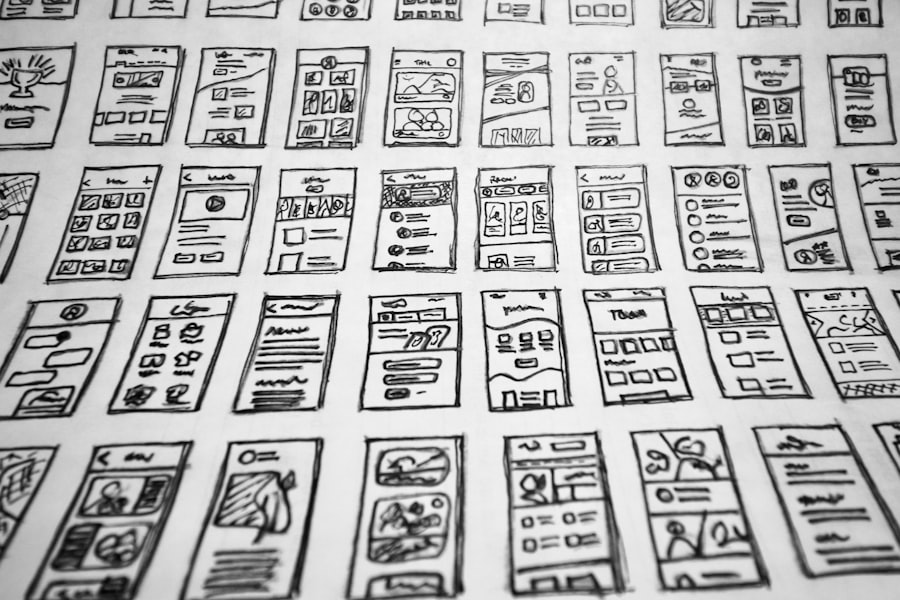
Wireframing and Prototyping
Before they dive into full design, they might create wireframes (basic layouts) and prototypes to show you the structure and flow of the website. This is a crucial stage for feedback.
Visual Design (UI)
This is where the look and feel of the website comes to life – colours, fonts, imagery, and overall aesthetic.
Development and Coding
The website is built using code, often on a content management system (CMS) like WordPress.
Content Integration
Your text, images, videos, and other content will be added to the site.
Testing and Launch
Before it goes live, thorough testing is essential.
Browser Compatibility Testing
Ensuring the website looks and functions correctly across different web browsers (Chrome, Firefox, Safari, etc.).
Mobile Responsiveness Testing
Crucial in today’s world, making sure it looks great and works perfectly on phones and tablets.
User Acceptance Testing (UAT)
You, the client, will test the site to ensure it meets your expectations before launch.
Post-Launch Support and Maintenance
A good designer won’t just hand over the keys and disappear.
Training and Handover
They should give you a clear understanding of how to manage and update your website.
Ongoing Maintenance Packages
Many offer services like security updates, backups, and performance monitoring.
SEO and Marketing Support
Some designers also offer services to help your website get found online.
If you’re searching for a website designer near you, it’s essential to understand how to enhance your site’s visibility in search engines. A useful resource on this topic can be found in an article that discusses the implementation of schema markup, which can significantly improve your website’s SEO. You can read more about it in this comprehensive guide that provides practical code examples to help you get started.
Questions to Ask Potential UK Website Designers
| Location | Number of Website Designers | Average Rating |
|---|---|---|
| London | 120 | 4.5 |
| Manchester | 80 | 4.2 |
| Birmingham | 90 | 4.3 |
To help you evaluate designers and ensure they’re a good fit, have a list of questions ready.
About Their Process and Services
- “What’s your typical design process from start to finish?”
- “What content management system (CMS) do you usually work with, and why?”
- “What’s included in your standard website design package?”
- “Do you offer e-commerce design or just brochure sites?”
- “What are your payment terms?”
About Their Experience and Expertise
- “Can you show me examples of websites you’ve designed for businesses similar to mine?”
- “What’s your experience with [specific technology/feature you need, e.g., booking systems, membership portals]?”
- “How do you approach mobile-first design?”
- “What’s your process for ensuring a website is SEO-friendly from a technical standpoint?”
About Post-Launch Support
- “What kind of training do you provide once the website is live?”
- “What are your options for ongoing website maintenance and support?”
- “Do you offer any help with website analytics or search engine optimisation (SEO) after launch?”
- “What’s your policy for bug fixes after the site goes live?”
About Their Team and Location
- “Is the design and development work done by your in-house team, or do you outsource any parts of it?”
- “How often will we be in touch regarding the project progress?”
- “Are you based locally, or do you primarily work remotely?” (If proximity is important to you).
Avoiding Common Pitfalls When Hiring a UK Designer
Even with the best intentions, sometimes things go wrong. Being aware of potential issues can help you mitigate them.
The ‘Too Cheap to Be True’ Trap
While budget is a consideration, extremely low prices can be a red flag. It might indicate a lack of experience, a very basic service, or even a designer who reuses templates extensively without much customisation.
Vague Quotations and Scope Creep
Ensure you have a clear, written agreement (usually a contract or detailed quote) outlining exactly what is included. Without this, clients can sometimes ask for more and more, leading to unexpected costs (scope creep). Equally, a designer might try to tack on extra charges for things that should have been part of the initial agreement.
Lack of Communication and Deadlines Missed
This is a big one. If a designer is consistently late responding to emails or misses agreed-upon milestones during the initial stages, it’s a worrying sign for the rest of the project.
What’s Included and What Isn’t
Be crystal clear about what services are included. For instance, are you getting professional copywriting, or do you need to provide all the text? Is professional photography included, or are you expected to supply images? Similarly, is basic Search Engine Optimisation (SEO) included, or is that an add-on service?
Legal and Compliance Issues (GDPR!)
For any UK business, understanding data protection is crucial. A good website designer will be aware of and help you implement measures to comply with GDPR (General Data Protection Regulation) and the UK GDPR. This includes things like cookie consent banners, privacy policies, and how you handle customer data. Don’t be afraid to ask them about their approach to this, and if they seem clueless, it’s a concern.
Final Thoughts on Finding Your UK Web Designer
Finding a website designer near you in the UK is entirely achievable. The key is to be prepared, do your homework, and communicate your needs clearly. Think about what’s most important to you: hyper-local convenience, a specific technical skill, or a particular design aesthetic.
Don’t rush the process. Take your time to research, compare proposals, and most importantly, choose someone you feel you can work with and trust. A well-designed website is an investment, and finding the right partner to create it will pay dividends for your business. Good luck with your search!