Looking for a local web designer? You’ve landed in the right spot! Finding a web designer close to home can offer some real advantages, from easier communication to supporting your local economy. We’ll explore why that’s the case and how to go about finding the best fit for your project.
When it comes to building your online presence, you might wonder if proximity truly makes a difference in today’s digital world. While many tasks can be done remotely, there are some clear benefits to working with a web designer who’s geographically near you.
Easier Communication and Collaboration
Let’s face it, sometimes it’s just easier to have a chat face-to-face. While video calls are fantastic, nothing quite beats sitting down together over a cuppa to discuss ideas, sketch out layouts, or review progress. This can be particularly helpful during the initial brainstorming phases or when more complex issues arise.
- In-person meetings: These allow for more nuanced conversations, picking up on body language and subtle cues that might be missed in a virtual setting.
- Quick clarifications: A quick drop-in or a short meeting can often resolve misunderstandings faster than a lengthy email chain.
- Shared understanding: When you’re both looking at the same screen in the same room, it can be much easier to ensure you’re on the same page regarding design elements, user experience, and technical requirements.
Understanding Your Local Market
A web designer based in your area is likely to have a better grasp of the local market, its nuances, and what resonates with your target audience. This can be invaluable, especially for businesses that primarily serve local customers.
- Local trends: They’re more likely to be aware of current design trends, popular websites, and competitor strategies within your specific region.
- Community insights: They might have an understanding of local demographics, buying habits, and cultural expectations, which can be subtly woven into your website’s design and content.
- SEO advantages: A local designer might have more experience optimizing websites for local search terms and search engines, helping your business rank higher for customers in your immediate vicinity.
Building Trust and Relationships
Working with someone local often fosters a stronger sense of trust and a more personal relationship. This isn’t just about business; it’s about connecting with another professional in your community.
- Personal touch: You’re not just another client on a long list; you’re a local business or individual they can genuinely connect with.
- Accountability: There’s a certain level of implicit accountability when you both operate in the same community.
- Network expansion: A good local relationship can lead to referrals and other networking opportunities within your area.
Supporting Your Local Economy
Choosing a local web designer means your investment stays within your community. It helps support other local businesses and individuals, creating a positive ripple effect.
- Job creation: You’re directly contributing to local employment.
- Community growth: Your business helps keep money circulating within your town or city.
- Local pride: It feels good to know you’re building connections and helping your local area thrive.
If you’re a web page designer looking to enhance your skills, you might find the article on mastering web development particularly useful. It offers valuable tips and tricks that can help you succeed in your projects. For more insights, check out the article here: Mastering the Art of Web Development: Tips and Tricks for Success.
How to Start Your Search for a Local Designer
Now that you’re convinced about the benefits, how do you actually find these local heroes? It’s not as hard as you might think.
Utilise Online Search Engines
This might seem obvious, but using specific search terms is key. Don’t just type “web designer”; be more precise.
- Specific Location Terms: Try phrases like “web designer [your town/city],” “website design [your county],” or “local web development [your postcode area].”
- Service-Specific Searches: If you have a particular need, combine it with your location, e.g., “e-commerce website designer [your town],” or “small business website design [your city].”
- Google Maps Integration: Google Maps is an excellent tool. When you search for “web designer near me,” it will often show you businesses pinned on a map, providing quick access to their location, reviews, and contact information.
Tap into Your Local Network
Word-of-mouth recommendations are often gold. Ask around; you’d be surprised who knows who.
- Business Acquaintances: Speak to other local business owners you know. They might have worked with someone fantastic or know someone who has.
- Local Chambers of Commerce/Business Groups: These organisations are often hubs of local professionals and can provide recommendations or directories.
- Networking Events: Attending local business networking events can put you directly in touch with web designers or people who can recommend them.
- Social Media Local Groups: Many towns and cities have active Facebook groups or LinkedIn communities where you can post a request for recommendations.
Check Online Directories and Review Sites
Several platforms exist specifically for finding local services, often with reviews from previous clients.
- Yell.com: A long-standing UK business directory where you can search by service and location.
- Trustpilot/Google Reviews: While not exclusively for finding designers, these sites can offer valuable insights into the reputation and quality of local agencies or freelancers once you’ve found a few potential candidates.
- LinkedIn: Search for “web designer” and filter by location to find individuals and companies in your area. You can also view their connections and recommendations.
What to Look For in a Local Web Designer
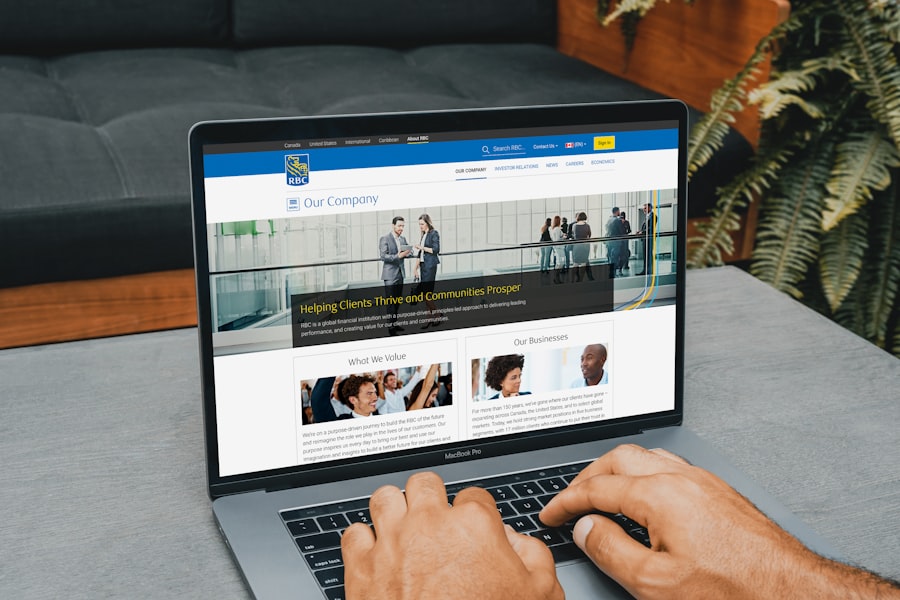
Once you’ve got a shortlist, it’s time to dig a little deeper. Not all web designers are created equal, and finding the right fit is crucial for a successful project.
Portfolio and Experience
This is fundamental. A designer’s portfolio is their visual CV. It shows their style, capabilities, and the quality of their work.
- Diverse Portfolio: Look for variety in their past projects. Do they have experience with businesses similar to yours?
- Relevance to Your Needs: If you need an e-commerce site, check if they have examples of successful online shops. If you need a lead-generation site, look for examples that clearly focus on that goal.
- Quality of Design: Assess the aesthetics, user experience, and responsiveness of the websites in their portfolio. Are they modern, clean, and easy to navigate?
- Case Studies: Some designers go beyond just showing finished sites and include case studies that explain the client’s brief, the challenges, and how they solved them. This offers deeper insight into their problem-solving process.
Communication Style
This goes back to the ‘local’ advantage. You want someone you can easily talk to and who understands your vision.
- Clarity and Responsiveness: Do they respond to your initial enquiries promptly and clearly? Are they good at explaining technical terms in a way you can understand?
- Active Listening: A good designer will listen carefully to your needs and goals, rather than just pushing their own ideas.
- Proactive Updates: Will they keep you informed throughout the project without you having to constantly chase them?
- Honesty: Are they honest about capabilities, timelines, and potential challenges?
Technical Skills and Expertise
The world of web design is vast, encompassing many different skills. You need a designer whose technical abilities match your project’s requirements.
- Platform Expertise: Do they specialise in specific platforms like WordPress, Shopify, Squarespace, or do they build custom solutions? Ensure their expertise aligns with the platform you prefer or that is best suited for your business.
- Responsive Design: In today’s mobile-first world, this is non-negotiable. Every website they build must adapt seamlessly to different screen sizes (desktops, tablets, phones).
- SEO Fundamentals: While not every web designer is an SEO expert, they should have a foundational understanding of best practices to ensure your site is built to be discoverable by search engines.
- Security Best Practices: They should be knowledgeable about basic website security measures to protect your site and your users.
- Accessibility: A good designer will consider accessibility standards, ensuring your website is usable by as many people as possible, including those with disabilities.
Pricing and Budget Transparency
This is often the elephant in the room, but it’s crucial to address early and clearly.
- Clear Quotations: Expect a detailed proposal outlining the scope of work, deliverables, timeline, and associated costs. Avoid vague estimates.
- Payment Schedule: Understand how and when payments are expected – upfront deposit, milestone payments, final payment.
- What’s Included/Excluded: Ensure the quote clearly states what services are included (e.g., domain registration, hosting setup, content creation, training) and what might incur additional costs.
- Ongoing Costs: Discuss potential ongoing costs like hosting, maintenance, and future updates. A good designer will be transparent about expected future expenses beyond the initial build.
- Value vs. Cost: Remember that the cheapest option isn’t always the best. Focus on value for money, considering the quality of work, experience, and the potential return on investment for your business.
Post-Launch Support and Maintenance
A website isn’t a ‘set it and forget it’ project. It will need ongoing attention.
- Training: Will they provide training on how to use and update your new website?
- Maintenance Packages: Do they offer ongoing maintenance packages for security updates, backups, and minor tweaks?
- Support Availability: How can you get in touch if something goes wrong or you need a quick fix after the site goes live?
- Scalability Advice: Can they advise on how your website can grow and evolve as your business does?
The Interview Process: Questions to Ask

Once you’ve shortlisted a few local designers, it’s time for a proper conversation. Don’t be shy about asking direct questions. This isn’t just about vetting them; it’s about understanding their process and seeing if your personalities mesh.
Understanding Their Process
- “Can you walk me through your typical design process from start to finish?”
- “How do you handle client feedback and revisions?”
- “What kind of input will you need from me throughout the project?”
- “How do you ensure the project stays on schedule and within budget?”
Project-Specific Questions
- “Based on what I’ve told you about my business, what are your initial thoughts on the best approach for my website?”
- “What platforms or technologies do you recommend for this type of project, and why?”
- “How do you approach search engine optimisation (SEO) during the design and development phase?”
- “Can you explain your approach to mobile responsiveness and user experience?”
- “How do you handle content creation? Will I need to provide all text and images, or do you offer assistance?”
Logistics and Support Questions
- “What are your typical response times for emails or calls?”
- “Who will be my main point of contact throughout the project?”
- “What kind of support do you offer after the website goes live?”
- “Can you provide references from previous clients?” (This is crucial, and a good designer will be happy to offer them).
- “What is your philosophy on website updates and future scalability?”
If you’re searching for web page designers near you, it’s essential to stay updated on the latest trends in the industry. A recent article discusses how innovative techniques are revolutionising web development, providing valuable insights for both designers and clients alike. To learn more about these exciting advancements, you can read the article here: revolutionising the web. This information could be particularly beneficial when selecting a designer who is well-versed in contemporary practices.
Making the Final Decision
| Location | Number of Web Page Designers | Average Rating |
|---|---|---|
| London | 150 | 4.5 |
| Manchester | 80 | 4.2 |
| Birmingham | 100 | 4.3 |
After all your research and conversations, it’s time to choose. This shouldn’t just be a logical decision; trust your instincts too.
Review Proposals Carefully
Go through each detailed proposal with a fine-tooth comb. Compare the scope of work, deliverables, timelines, and costs. Ensure everything you discussed verbally is reflected in writing.
Consider the ‘Fit’
Beyond technical skills and pricing, consider how well you feel you’d work with this person or team. Do you feel comfortable with them? Do they seem to understand your business vision? A good working relationship makes the whole process smoother and more enjoyable.
Don’t Rush
Building a website is an important investment. Take your time to review everything, ask follow-up questions, and ensure you’re completely comfortable before committing.
Get it in Writing
Always, always get a clear, detailed contract before any work begins. This protects both you and the designer by outlining expectations, deliverables, payment terms, and ownership rights.
Finding a local web designer might take a little effort, but the benefits – from better communication and local market understanding to supporting your community – are often well worth it. By following these steps, you’ll be well on your way to securing a professional who can help your business thrive online.